


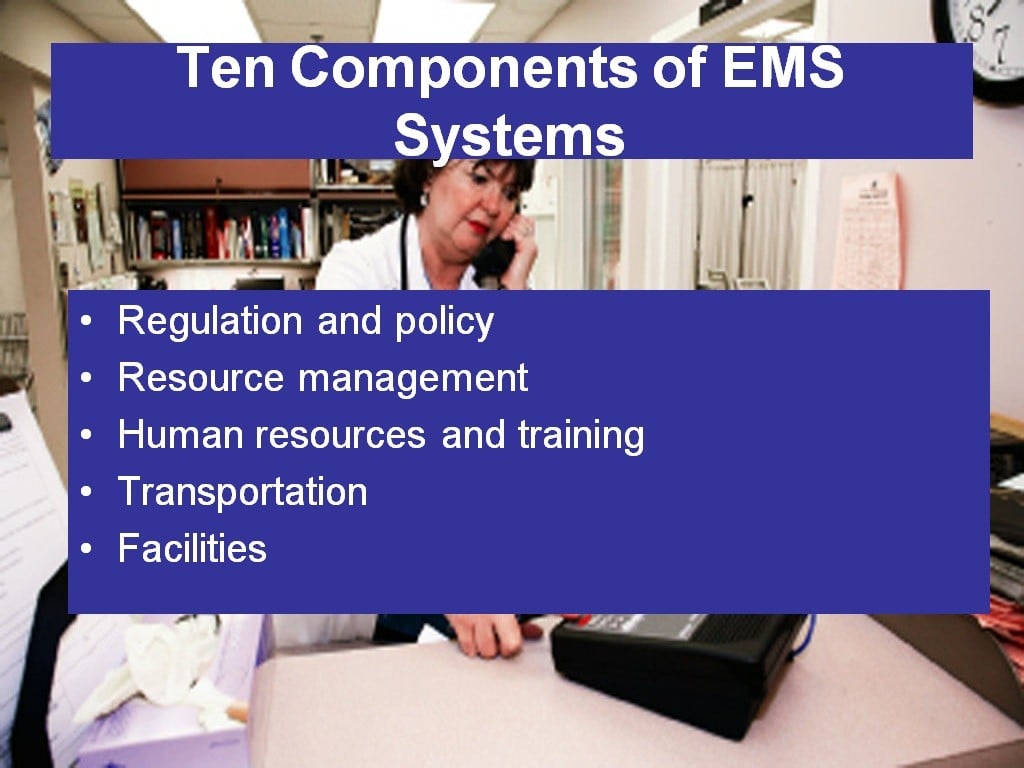
EMS Training DVD Preview

Topics Covered:
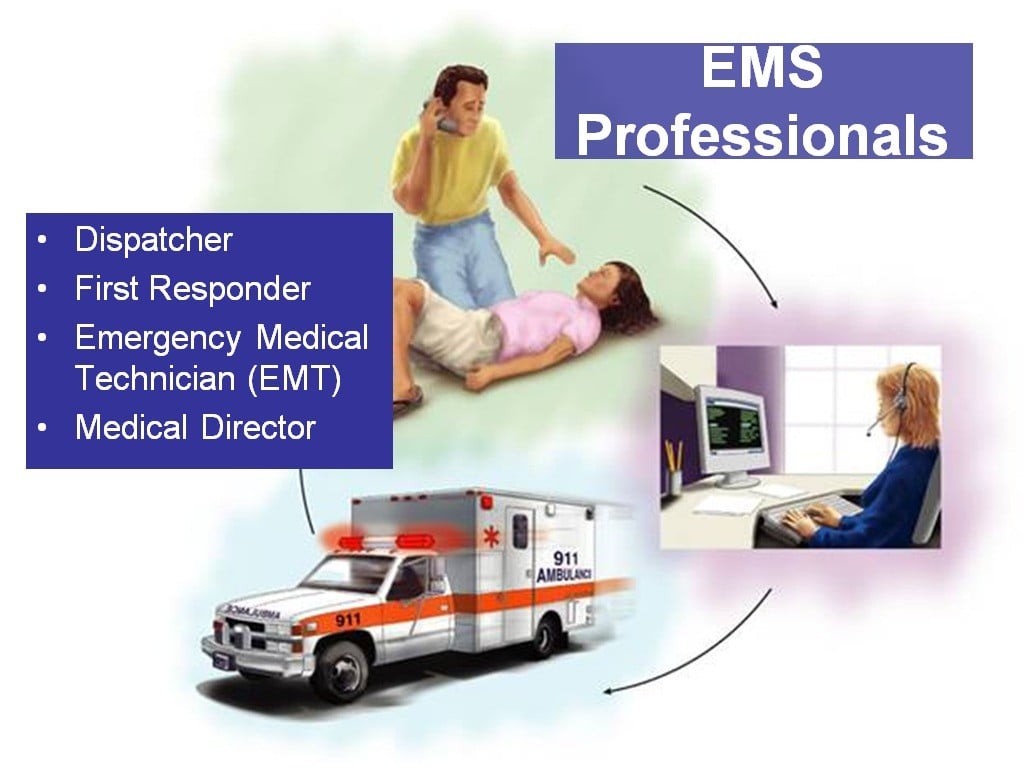
- An Overview of EMS
- The EMS System
- The EMS System
- History of EMS
- Roles and Responsibilities
- Quality Improvement
- Patient Safety
- Emergency Medical Responder
- National EMS Group Involvement
Date Created: 2013 Number of Slides: 79 OHSA Regulations: This presentation is complaint with 29 CFR 1910.120. Created by: Jones & Bartlett Learning
Tuberculosis In the First Responder Environment Training DVD Kit
- Training DVD
- 5 Posters
- 30 Booklets
- Employee Quiz
- Leaders Guide
- Training Certificate

Other EMS Training Presentations
Epilepsy and Seizure Management for EMS Personnel by Epilepsy Foundation
Date Created: 2011 Number of Slides: 36 OHSA Regulations: This presentation is AtlantcTrainingt with 29 CFR 1910.120. Created by: Epilepsy FoundationCooperation and Coordination of Emergency Services for Traffic Accidents by IFEM
Date Created: 2012 Number of Slides: 30 OHSA Regulations: This presentation is AtlantcTrainingt with 29 CFR 1910.120. Created by: International Federation for Emergency MedicineIntroduction to Emergency Medical Services (EMS) by University of Massachusetts Amherst
Date Created: 2005 Number of Slides: 25 OHSA Regulations: This presentation is AtlantcTrainingt with 29 CFR 1910.120. Created by: University of Massachusetts AmherstEMS System Roles and Responsibilities PPT
This presentation was produced by UW Health and will help us to identify the key roles and responsibility of a first responder. The Four levels of EMS Providers has been defined and differentiated, also dealing with the key elements of providing an effective EMS System. The EMS System Levels: First Responder, EMT Basic, EMT Intermediate and the Paramedic. The importance of this is to provide information to the public, helps promote the profession available, and enhances the status of the profession.
EMS System Improvement PPT
The International Federation for Emergency Medicine produced this presentation to inform how the EMS System works. They have also included the possible innovations that can be done given the modern technology we have today. With the modern technology, it would be easier for the EMS to perform their duty and the results are truly promising. Topics included in the presentation are: Vehicle Communication and Monitoring System, GPS Devices, Telemedicine, Simulator Training for EMS and Field Laboratory Testing.
EMT Airway Management PPT
This presentation is produced by the Oregon EMS Association about the Basic Advanced Airway Management for the EMT. An Emergency Medical Technician (EMT) provides basic life support to injured or victims of an accident. This is a level of EMS Provider and being an EMT has important responsibilities to support life. This presentation specializes in Airway Management and includes an overview of Respiratory Problems and how to provide first aid. Topics include: Respiratory Anatomy and Physiology, Respiratory Volume and Management, Assessing Respiratory Problems, Respiratory/Cardiac Arrest, Basic Airway Management, Suctioning and Dual-Lumen Airway Devices.
HIPAA EMS Training PPT
Eastern PA EMS Council provided this presentation on the HIPAA Compliance. The Health Information Portability and Accountability Act is a federal law passed in 1996 and it specifies the confidentiality of personally identifiable health care information. The HIPAA compliance is given importance to give security to personal information of patients. Other topics included: Steps to HIPAA Compliance, Examples of Security Safeguards, Protected Health Information and Its Proper Usage, HIPAA Compliance Rules.